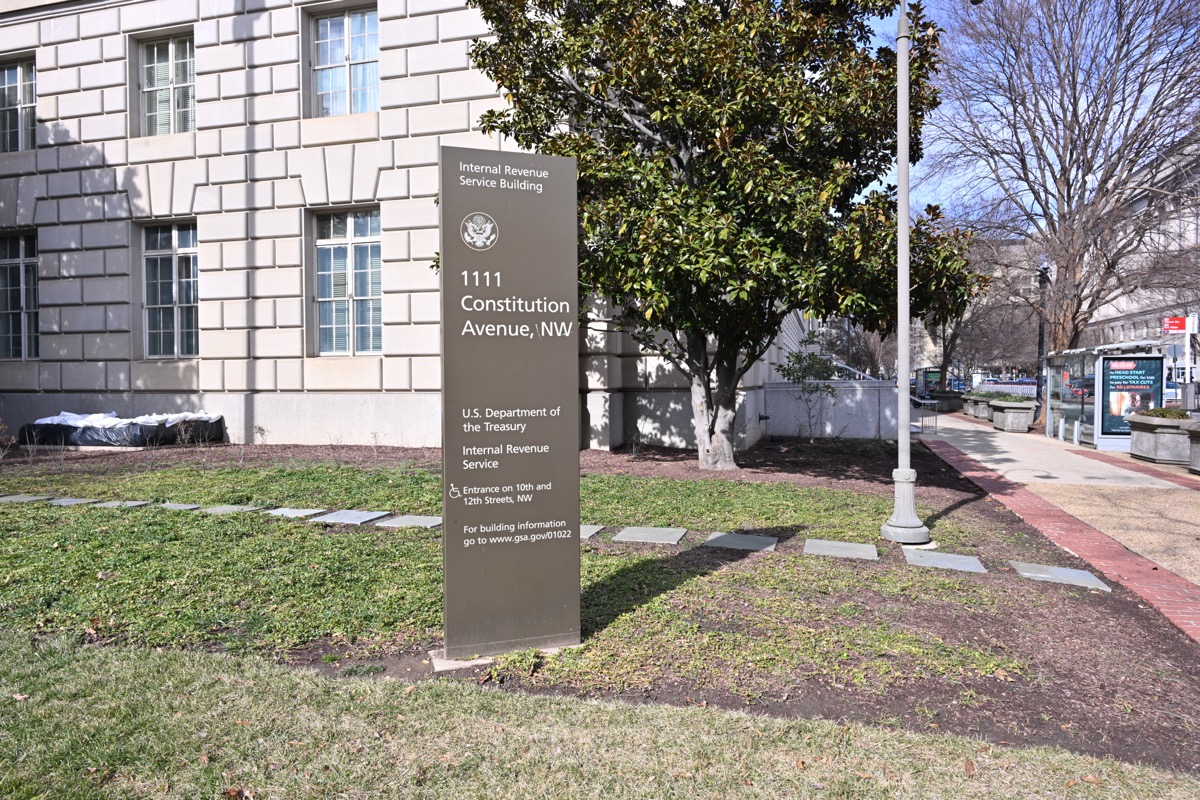
What the government must prove in a federal tax evasion case

Tax evasion charges under 26 USC 7201 require the prosecution to prove specific elements beyond a reasonable doubt. Understanding what they must show is the first step in building a defense.

Willfulness Is Everything

The government must prove you acted willfully — that you knew about the tax obligation and intentionally violated it. Good-faith mistakes, bad advice from an accountant, or sloppy recordkeeping do not meet this standard.

Willfulness Is Everything

Affirmative Act Required

A mere failure to file or pay is not tax evasion. The government must point to a specific affirmative act of evasion — false returns, double books, shell corporations, or hidden accounts.

Affirmative Act Required

Substantial Tax Deficiency

The IRS must show a substantial amount of tax was owed and unpaid. De minimis underpayments or genuine disputes about tax liability do not support an evasion charge.

Substantial Tax Deficiency

Key defense strategies against federal tax evasion charges

Federal tax prosecutions turn on documents, intent, and the government's ability to prove willfulness. A focused defense can attack every element.

Attack Willfulness

Checks and balances — the government must prove you knew your conduct was illegal. Reliance on a CPA, an enrolled agent, or a tax attorney in good faith negates willfulness as a matter of law.

Attack Willfulness

Challenge The Deficiency

The IRS computation of tax loss is often inflated. A forensic accountant can recalculate the actual deficiency — sometimes below the threshold needed for criminal prosecution.

Challenge The Deficiency

Statute Of Limitations

Most tax evasion charges must be brought within six years. If the government waited too long or the affirmative act falls outside the limitations window, the indictment may be subject to dismissal.

Statute Of Limitations

Federal Criminal Defense — All Practice Areas

Federal criminal defense resources across the full spectrum of federal criminal charges.

Federal Criminal Defense — Every Federal Charge

This defense resource covers tax evasion cases alongside a full range of federal practice areas — RICO, money laundering, wire fraud, public corruption, antitrust, crypto fraud, and federal appeals.

View All Federal Practice Areas →

Federal criminal law — analysis, updates, and defense insights

Regular dispatches on federal sentencing changes, circuit court decisions, DOJ enforcement priorities, and defense strategy.

Authoritative legal information — bar associations, court records, and research tools

Curated links to official legal resources, professional organizations, and public-access legal databases.

GOOOOGLE — Bury Negative Search Results

GOOOOGLE publishes positive, controlled content across a network of authoritative domains — pushing negative search results off page one. 12,400+ clients served. 184,000 articles published. 47,300 negative results buried.

Clean Slate →
About 1,240,000 results (0.42 seconds)
GOOGLE
1 2 3 4 5 6

Ready to talk about your case?

Complete the confidential intake form and a federal defense specialist will call you back within 24 hours. Free, no obligation.

Request a Call Back →

Legal Disclaimer: This site provides general information and a confidential case-intake service. Submitting information does not create an attorney-client relationship, and no attorney-client relationship is formed by using this site. Your information may be shared with licensed federal criminal defense attorneys. Every case is different — consult directly with a qualified attorney about your specific situation. Prior results do not guarantee similar outcomes.

Licensed Counsel
🏆 24-Hour Callback
📍 Local Case Intake
📰 Private & Confidential
👤 No Obligation
Free Case Review

Tax evasion defense research and attorney matching

About this site: this resource explains federal tax evasion defense, investigation steps, penalties, and attorney selection so readers can understand the site purpose immediately.

Case Notes & Developments

Notable case developments and practice observations.

Recent Sentencing Outcomes

Analysis of sentencing decisions and their impact on defense strategy.

Procedural Update

Changes to federal rules affecting case preparation and filing.

Statutory Interpretation

Recent court interpretations affecting charging decisions.

Frequently Asked Questions

What is compassionate release?

Compassionate release allows a federal inmate to ask the sentencing court for early release based on extraordinary and compelling reasons — such as serious medical conditions, advanced age, or family circumstances — under 18 U.S.C. § 3582(c)(1)(A).

What does a criminal defense attorney do?

A criminal defense attorney investigates the charges, challenges the prosecution's evidence, negotiates with prosecutors, and represents the client at trial. Early involvement of counsel often improves outcomes.